Articles
Ear, Nose & Throat Care For Adults & Children Over 6 months
5420 Strickland Ave, Lakeland, FL 33812
Located In Hickman Office Park
Mon-Thu 8:30 am - 4:30 pm
Fri 8:30 am - 12:00 pm
Thyroid Nodules: What They Are and When to See a Specialist
Finding out you have a thyroid nodule can be unsettling, even when your doctor says it’s probably nothing serious. These growths are common, and the large majority turn out to be benign. Still, it’s reasonable to want a clear explanation of what a nodule is, what the next steps usually look like, and when it makes sense to involve a specialist.
What is a thyroid nodule?
The thyroid is a small gland at the base of the neck that helps regulate metabolism, heart rate, and energy. A nodule is simply a lump that forms within the gland. Many people have them without knowing it. Small nodules often cause no symptoms and are discovered during a routine neck exam or on an imaging study done for another reason. According to the American Thyroid Association, most thyroid nodules are not cancer.
How are nodules usually found?
Doctors most often discover nodules in one of two ways: by feeling a lump during a physical exam, or when one shows up on an ultrasound, CT, or other scan ordered for a different issue. Finding a nodule doesn’t automatically mean something is wrong. It typically means the next step is to get a better look at it.
What happens after a nodule is found?
Evaluation usually starts with a thyroid ultrasound, which shows the nodule’s size, shape, and other features. Your doctor will also order a blood test to check thyroid function. If the ultrasound shows certain characteristics, a fine-needle aspiration biopsy may be recommended. This is a short, in-office procedure that collects a small sample of cells for testing. Most biopsies come back benign. When results are unclear or suggest something that needs closer attention, that’s often the point when a referral to a specialist is appropriate.
When is surgery considered?
Not every nodule requires surgery. Many can be followed over time with periodic ultrasounds. Surgery is more often discussed when a biopsy is suspicious or shows cancer, when the nodule is large enough to press on the airway or esophagus and cause difficulty breathing or swallowing, when it is producing excess thyroid hormone that isn’t well controlled with medication, or when it continues to grow or biopsy results remain uncertain after additional testing.
If surgery becomes the recommended option, your surgeon should explain the specific procedure, what recovery typically involves, and the risks that apply to your situation. Every surgery carries some risk, and outcomes can’t be guaranteed in advance.
What we can conclude
A thyroid nodule is a common finding, and most do not turn out to be cancer. The purpose of evaluation is to determine what type of nodule you have and whether it needs monitoring, further testing, or treatment.
This information is for general education and is not a substitute for a personal medical evaluation. If you’ve been told you have a thyroid nodule, discuss your specific results and next steps with your doctor.
If you’re wondering whether a referral to an ENT and thyroid surgeon makes sense, ask your doctor, or contact our office to schedule a consultation.
Frequently asked questions
Are thyroid nodules usually cancer?
No. Most are benign. Only a small percentage are cancerous, which is why testing is used to identify the type of nodule rather than assuming the worst.
Do all thyroid nodules need a biopsy?
No. The decision is based on the nodule’s size and how it appears on ultrasound. Smaller nodules without concerning features are often watched rather than biopsied right away.
Is thyroid surgery painful?
There is usually some discomfort during recovery, which your surgeon will help manage. No surgery is completely painless, and your specialist can describe what is typical for the procedure you’re considering.
How long does recovery take after thyroid surgery?
Recovery time varies depending on the procedure and the individual patient. Your surgeon will give you a timeline based on your specific surgery and health history.
Do I need a referral to see a thyroid surgeon?
Many patients are referred by a primary care doctor or endocrinologist after a nodule is found. You can also contact our office directly to ask about scheduling a consultation.

Family Care Ear, Nose & Throat Physician
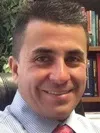
Dr. Herman Matallana, DO
Otolaryngology Specialist
Dr. Herman Matallana, known by his patients as Dr. Mat, is a dedicated physician with over ten years of experience in the treatment of Ear, Nose and Throat, Reconstructive Surgery and Allergies. Dr. Mat graduated from Kansas City University of Medicine and Bio-Sciences and did his specialization in Otolaryngology, Head & Neck and Reconstructive Surgery at Des Peres Hospital in St. Louis, MO.
What Our Clients Are Saying
What Our Clients
Are Saying

Dr Mat is a great doctor. He is attentive, caring, and best of all he listens to your concerns. His staff are all very polite, respectful and attentive to your needs. This is a doctor's office that work together as a team and they all know without a doubt what's going with each patient. Imñam very grateful that I was referred to Dr Mat.
Brenda B.
★ ★ ★ ★ ★

Dr Mat is AMAZING! He takes time to listen to your concerns and answer questions. My surgery was at Bartow Medical Center. The amount of respect the nurses and other staff members have for Dr Mat shows tremendously. They were amazing and they took phenomenal care of me.
Kylie S.
★ ★ ★ ★ ★

Dr. Matallana has been nothing but amazing for myself and my children. From tubes all the way to reconstructive surgery on my eldest child's nose. Outstanding doctor, outstanding care.
Jess W.
★ ★ ★ ★ ★
Office Hours
Mon-Thu: 8:30 am - 4:30 pm, Fri: 8:30 am - 12 pm

@ Copyright 2026 - Family Care ENT | All rights reserved